
1932 Stutz DV-32 For Sale in St Louis , 2146379730
 Tweet
Tweet

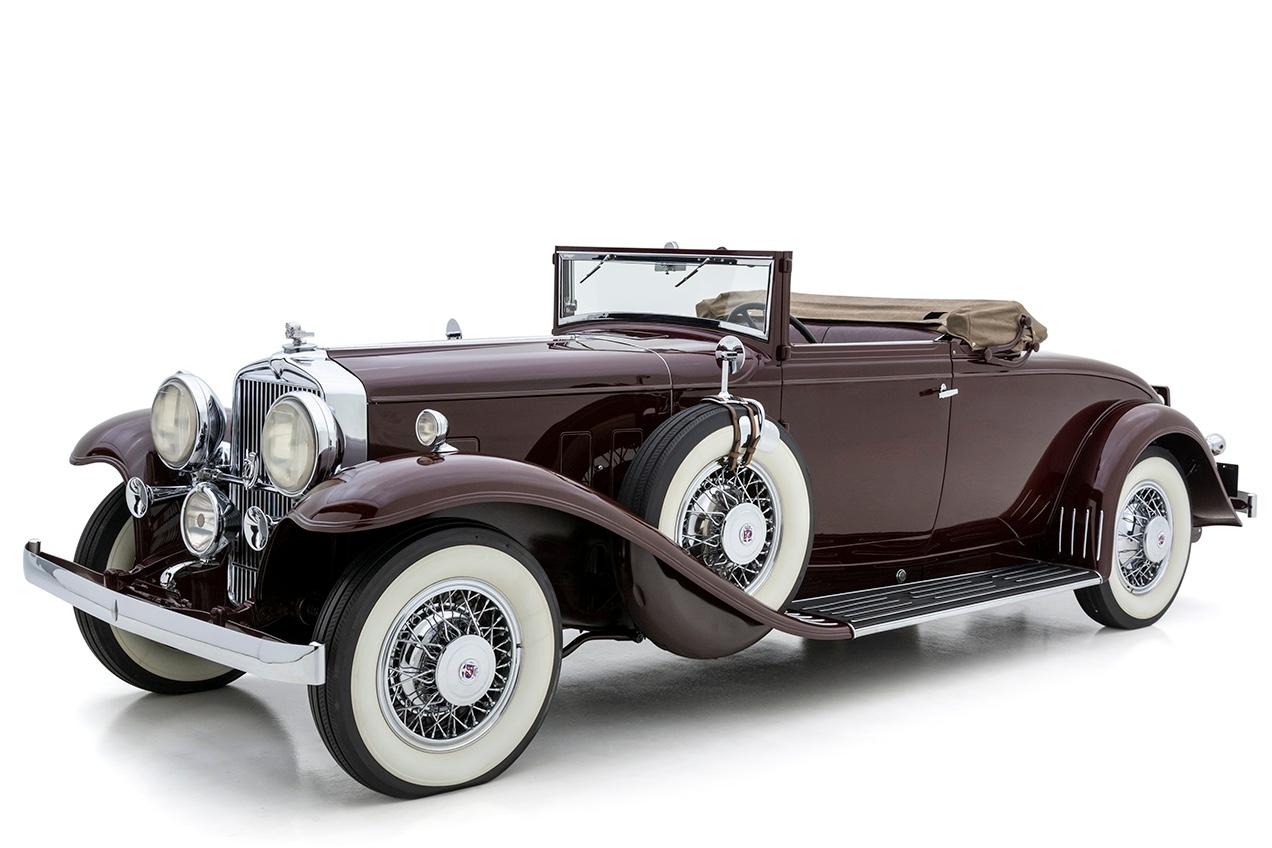


1932 Stutz DV-32
Price: USD $250,000A striking product of the final years of Stutz Motor Company, the DV-32 stood at the pinnacle of the marques evolutionoffering elegant styling, advanced engineering, and formidable performance. The models name referenced its defining mechanical feature: a refined, dual-overhead-cam inline eight-cylinder engine with four valves per cylinder, totaling thirty-two. Designed by Stutz engineering chief Charles Pop Greuter, the DV-32s 322-cubic-inch powerplant delivered an impressive 156 horsepowermatching the Model J Duesenberg in horsepower-per-cubic-inch and capable of propelling the lithe Stutz to near-triple-digit speeds. Power was routed through a Warner three-speed transmission, the DV-32 offered swift, confident touring performance with exceptional flexibility for its time.
Chassis DV361467 was first exhibited at the November 1931 Chicago Auto Show, where it caught the attention of Arthur N. Powers, a successful Illinois businessman and dedicated Stutz enthusiast. Drawn to its sleek LeBaron Convertible Coupe coachwork and advanced mechanical specification, Mr. Powers purchased the car on the spot as a gift for his daughter, who would soon graduate high school and begin her studies at Northwestern University. As the Stutz remained on the show circuit, delivery was deferred until the following summer. During her college years, the car created a minor sensation on campus, and she continued to drive it into the early 1940s, when it was returned to her father.
The DV-32 remained a fixture in the Powers family for decades thereafter. It was retained into the mid-1950s by Arthur Powers himself and then passed between family members, making its way to California in the early 1970s to Powers grandson. There, he entrusted the Stutz to noted Southern California enthusiast Tom Sparks for a restoration, which included a return to its original dark burgundy paint and a new convertible top trimmed in gray herringbone Hartz fabric, closely matched to the original boot material. The car has since been maintained with care and regularly enjoyed by the family, remaining a constant presence through several generations.
Today, the Stutz remains in well-preserved condition, the restoration having held up admirably over the decades. The burgundy paint retains a strong overall presentation, although imperfections are visible upon close inspection, appropriate for a car restored in the 1970s and enjoyed with care. The interior presents particularly well, with upholstery and trim that reflect the high quality of the original work. The engine bay, like the rest of the car, shows honest signs of use but remains clean and authentic, with correct fittings and castings still in place. Mechanically, the Stutz operates as it should, offering smooth power delivery, comfortable road manners, and a stirring reminder of the DV-32s formidable reputation.
Notably, this example is accompanied by a substantial file of family documentation, tracing its history from new and offering a rare, unbroken view into its stewardship across generations. From early photographs and period registrations to personal accounts and memorabilia, the provenance is as rich as the car is handsome.
Rare, handsome, and technologically fascinating, the DV-32 represents one of the most compelling American sporting cars of the Classic Era. This LeBaron-bodied Convertible Coupe, with its ideal combination of visual drama, engineering excellence, and remarkable continuity of ownership, would be a prize in any collection of prewar American automobiles. Elegant and substantial, it stands as a proud reminder of an era when Stutz competed not only with Duesenberg and Packard, but often surpassed them in spirit, speed, and sheer individuality.
Offers welcome and trades considered.

- VIN: DV461367
- Exterior: Red
|
|
Hyman Ltd
 |
Location: St Louis, MO, United States
|
Email the Seller

You may be able to finance this car.
Own this vehicle for only:
$2438/month | Apply Now!
Welcome to our collector car marketplace where we feature thousands of classified ad listings of vintage cars for sale. We hope that you will bookmark our site and visit often; our cars are updated every day. Furthermore we encourage you to subscribe to our mailing list so that we may periodically notify you of interesting classic cars that become available.